
★ A NEWSLETTER FOR THE FAMILIES OF USSSA ★
BEYOND THE SCOREBOARD
The scoreboard tells us who won. What's beyond it tells us who they're becoming.
That feels especially relevant in youth sports, where improvement is often measured by what athletes can do physically. But some of the most important growth happens in how they see themselves, respond to mistakes, build helpful habits, and continue when progress feels slow.
This week, we're giving athletes, parents, and coaches a few practical ways to strengthen those qualities, both in the game and in life.
This month's Playbook plays are all about the mental qualities exceptional people tend to have.
The good news: Rotella believes those qualities aren't reserved for a gifted few. They can be learned, practiced, and strengthened.
The bad news for the person trying to fit five chapters into one newsletter: nearly everything I highlighted felt worth including.
This week, we're starting with one idea from each chapter and looking at how parents and coaches can help young athletes develop a champion's mindset, both in the game and in life. And if we strengthen a few of those qualities in ourselves along the way, even better.
Rotella opens with the foundation for the entire book: before someone can become exceptional, they have to believe they are capable of becoming more than they are right now.
Writing about LeBron James, he says:
That belief is where a champion's mindset begins.
Ask your athlete to describe themselves without using statistics, positions, awards, or what anyone else has said about them.
The goal is to hear how your athlete currently sees themselves and help them recognize that their self-image is something they can continue shaping.
For decades, experts questioned whether the human body was capable of running a mile in under four minutes. Impossible, many said. No one had been able to do it, and that became reason enough to believe no one ever would.
Roger Bannister heard all the reasons it couldn't be done and chose to believe that it could. And on a rainy day in 1954, he proved it by breaking the world record and running a mile in 3:59.4!
Almost immediately, Bannister's record was broken. And before long, other runners were breaking the four-minute barrier too.
Bannister didn't suddenly give those athletes more physical ability. His example changed what they believed was possible, turning pessimism into optimism.
Ask your athlete to name something they would love to accomplish but aren't completely sure they can. Then help them find someone who has already done it. It could be a professional athlete, an older teammate, a coach, or someone they know personally.
The goal is not to copy someone else's journey. It's to find an example that makes your athlete think, maybe I can do that too.
Rotella compares our self-image to an archive. It holds the thoughts and memories we've collected about ourselves. For athletes, what they continue replaying matters. The more attention they give a moment, the more influence it can have on what they believe about their abilities.
Rotella gives examples of champions who barely acknowledge their mistakes and others who assess them just long enough to learn. What they both share is a refusal to get stuck in what went wrong.
They also don't turn one result into a judgment about who they are. There's a difference between thinking, that wasn't my best performance, and deciding, I'm not good at this.
Learning asks: What happened, and what can I do differently?
Reliving says: I can't believe I did that. I always mess up. I'm not good enough.
A champion takes whatever lesson is useful and moves forward.
And when something goes well, they allow themselves to remember it, celebrate it, and use it as evidence of what they're capable of. Over time, what athletes continue feeding their minds helps shape a more confident self-image.
Ask your athlete to choose one recent moment that didn't go the way they wanted.
First, find the lesson:
Then have them close their eyes and replay the moment with that adjustment. Encourage them to picture it in detail, including what they see, hear, feel, and do.
Finally, have them picture the next play and see themselves starting fresh instead of carrying the previous mistake with them.
This isn't about pretending the mistake never happened. It's about taking the lesson and giving the mind a more useful version to practice.
In this week's Beyond the Scoreboard podcast, Coach Caden Vittorini from Built Different leads athletes through a guided version of Edit the Replay.
He'll help them revisit a mistake, find the lesson, picture their adjustment, and reset for the next play.
Listen with your athlete and give it a try.
Physical ability matters, but it is only one part of talent. Rotella argues that many of the qualities determining how far an athlete goes cannot be measured with a stopwatch, radar gun, or stat sheet.
CommitmentMaking a commitment is often easier than keeping one. Rotella says it helps to love what you're doing, but that means loving more than the exciting moments and rewards. Commitment also asks you to keep showing up through repetitive work, slow progress, and days when nothing seems to go right.
PerseveranceSetbacks, plateaus, and missed days are part of pursuing any meaningful goal. Perseverance doesn't mean following a plan perfectly. It means making quick course corrections whenever you get off track.
HabitHelpful habits turn commitment into something you practice regularly. Once a behavior becomes part of your routine, you don't have to rely on motivation or willpower every time. You begin to do the work because it's simply what you do.
These takeaways represent only a small portion of what the first five chapters explore. Each idea is developed in far greater depth through stories and examples from sports and everyday life. If something here resonated with you, pick up the actual book. The full chapters are well worth reading!
Coming soon, Beyond the Scoreboard is becoming a podcast. It will build on the stories and ideas from this newsletter with additional voices, conversations, and elements that work best in audio.
Listen with your athlete on your next ride home!
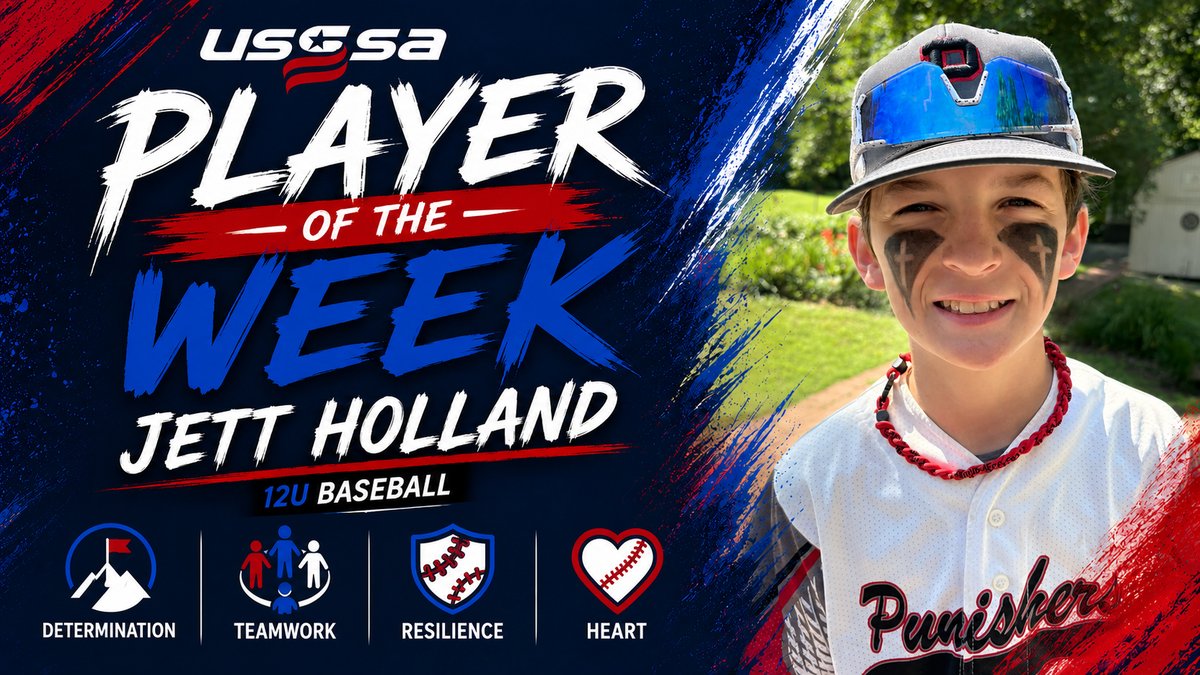
During the USSSA State Tournament, 12-year-old Jett Holland injured his left glove hand while diving back to a base during a rundown.
Not yet knowing the extent of the injury, he continued competing, made a catch in center field, reached base after being hit by a pitch, and stole his way into scoring position.
His family later learned that his hand was fractured.
What we're recognizing is not the pain Jett played through, but the determination and loyalty behind his desire to keep contributing to his team.
Congratulations to our USSSA Player of the Week, Jett Holland!
Each week, The Car Ride Home offers one question to ask your child after a game, practice, or anytime you find yourselves together.
There is no lesson to deliver or perfect answer to uncover. It's simply a chance to hear what's on their mind and have a conversation you might never have had otherwise.
For this one, take the back seat.
Adults usually do the explaining. We tell our children what we know, what we've learned, and what we think they need to understand.
But this week's question asks them to show us something about their world that we may not be seeing.
Resist the urge to explain why adults do what they do.
Just listen.
This October, USSSA is bringing pink to the fields with four limited-edition hats created for Breast Cancer Awareness Month.
The Stronger Together and Fighter designs recognize the strength of those facing breast cancer and the people standing beside them.
The collection also includes two classic USSSA designs, in pink and black.
Whether you wear yours for a fighter, a survivor, or someone whose memory you carry, we hope to see fields across the country filled with pink this October!
The collection will be available throughout October, while supplies last.