Recently, the USSSA community lost someone who spent decades helping make this organization what it is.
Tommy Hawkins was the longest‑tenured director in USSSA history and a National USSSA Hall of Fame inductee.
At 82 years old, he was still running events and bringing people together through sports.
His legacy lives in the communities he served and the countless people who got to step onto a field because Tommy spent so many years making sure there was a game to play.
There are a lot of little moments in youth sports that probably don’t feel very important when they’re happening.
A conversation before the season. A pink wristband. A question asked on the ride home.
But those moments add up. And sometimes, they’re where the most important parts of sports are happening.
Here’s what we’re talking about this week.
Pink socks. Wristbands. Ribbons. Jerseys. Hats. You’ll probably see plenty of pink around the ballpark this month.
And most of us know why.
But do our athletes?
It’s easy for the pink to become just another part of the uniform. Something the whole team wears in October because that’s what teams do.
But behind all that pink are real people.
Moms. Grandmas. Aunts.
Coaches. Teachers. Friends.
People going through treatment.
Survivors.
And people families are remembering.
So before your athlete puts on the pink this month, take a minute to tell them what they’re representing.
“October is Breast Cancer Awareness Month. Wearing pink is a way to support people facing breast cancer, honor survivors, remember those we’ve lost, and bring attention to a disease that affects a lot of families.”
And if breast cancer has touched your family or someone your athlete knows, tell them who you’re wearing it for.
“Do you know who our family wears pink for?”
Coaches, if your team is planning a Pink Out or wearing something special this month, consider letting families know why ahead of time. Give parents the chance to have that conversation before their athlete steps onto the field.
Because wearing pink is a great way to show support.
But knowing why you’re wearing it
gives your athlete a chance to be part of something bigger than the game.
“A coach will impact more people in one year than most will in a lifetime.”
— BILLY GRAHAM
Not a dad? Not a coach? Don’t let the title lose you.
Mike Matheny wrote The Dad Coach through the lens of coaching youth baseball, but it’s really for anyone that’s helping shape a young athlete’s experience.
His perspective comes from seeing baseball at nearly every level. He spent 13 years as a Major League catcher and later became an MLB manager. But he has also been the dad asked to coach his son’s youth baseball team.
On the practical side, this book is a coaching playbook. There are drills, practice plans, ways to evaluate players, develop skills, prepare for games, and keep kids engaged, along with more than 70 QR codes linking to instructional videos featuring Matheny and other experts. For coaches, it’s worth having a copy of your own!
But what we’re focusing on this month goes beyond becoming a better player or coach.
Teamwork. Hard work. Perseverance. Responsibility. Winning with respect. Losing with dignity. Learning how to be part of something bigger than yourself.
Those lessons aren’t taught by a coach alone. The adults surrounding young athletes have a role to play too.
And before Matheny ever wrote The Dad Coach, he made that very clear.
When Matheny was asked to coach his son’s youth baseball team, he wanted parents to know exactly what kind of experience he intended to create before anyone signed up.
So he gathered the parents in his living room and read them a five page letter explaining what they could expect from him and what he would expect from them.
That letter became known as the Matheny Manifesto.
The expectations were specific, but the reason behind them was simple:
Keep the experience about the kids.
For parents, that meant being a steady source of support instead of adding more pressure from the stands. Let the kids play. Let the coaches coach. Give your kids room to think for themselves, make mistakes, and take responsibility.
Matheny expected plenty from his players, too. Show up ready. Hustle. Pay attention. Respect your teammates, your opponents, the umpires, and the game. Focus on the things you can control: your attitude, concentration, and effort.
And he held himself accountable as a coach as well. His job wasn’t just to win games. It was to teach the game, develop each player, and make a positive impact on the young people trusted to him.
That letter didn’t just set expectations.
It set the tone for the season ahead.
So this week, don’t open Chapter 1 just yet.
We’re starting exactly where Matheny did.
Matheny encourages coaches to use, adapt, or borrow from his original letter when setting expectations with your own team.
Coaches: Take a page from Matheny and set the tone for your season. You don’t need a five-page manifesto. Start by answering four questions:
Then share your answers with your families. And as you write them, keep Matheny’s bigger message in mind:
This is about the kids.
Parents: Before the season starts, answer this:
If your athlete told you what they need most from you this season, what do you think they’d say?
Hold onto your answer. We’ll come back to it in The Car Ride Home.
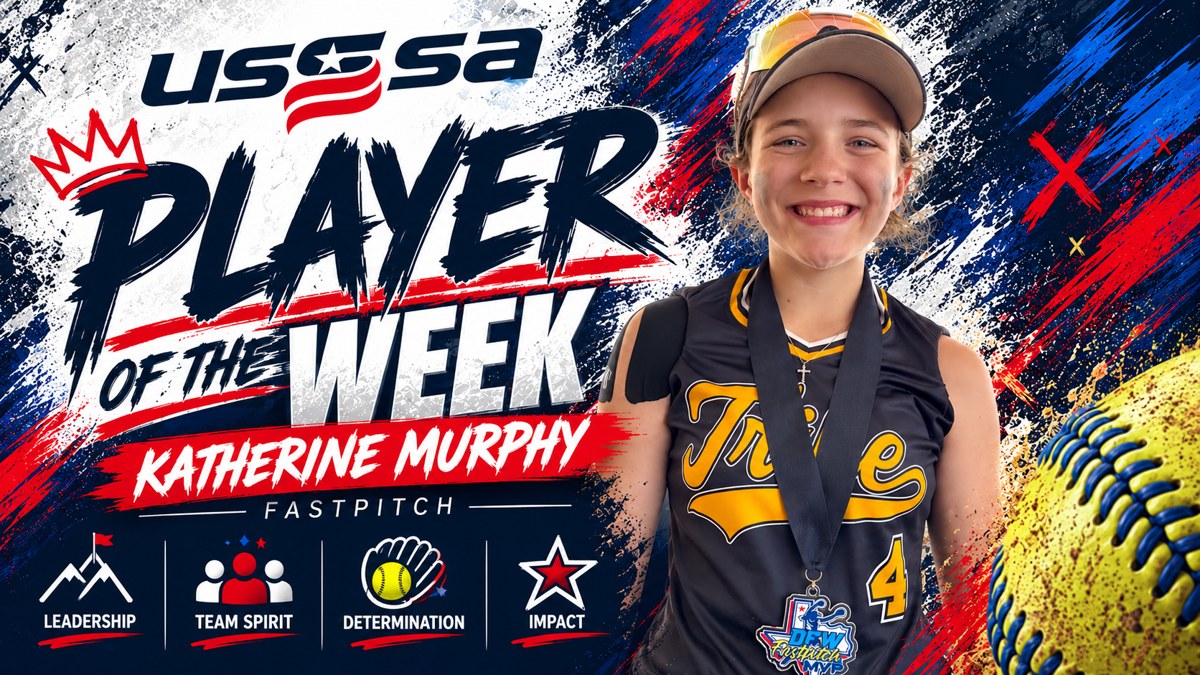
Katherine Murphy is the kind of player whose impact is hard to measure with a stat.
The Texas Elite shortstop was nominated for her performance on the field, but both nominations had a lot more to say about the kind of teammate and person she is.
She leads with energy, works hard without asking for recognition, encourages her teammates when things get tough, and celebrates them when things go right.
Her coaches trust her.
Her teammates rely on her.
And younger players have someone worth looking up to.
That same effort follows her off the field. Katherine challenges herself with advanced academics and works just as hard in the classroom as she does at her game.
Congratulations, Katherine!
Keep leading, #4.
Earlier, you took a guess at what your athlete needs most from you this season.
Now let’s actually ask them.
Then give them a minute...
In the Matheny Manifesto, Matheny says that if you asked most young athletes what they want their parents to do during a game, they’d probably say: nothing.
What did yours say?
Cheer more. Don’t yell instructions. Don’t ask me about the game right away. Practice with me. Stop reminding me about my mistakes.
Did their answer match yours?
Whatever they said, now you know a little more about what they need from you.
And before you pull into the driveway, tell them one last thing:
Maybe setting the tone doesn’t always take a manifesto.
Sometimes it starts with
something that simple.