A great play gets everyone’s attention. What else deserves a closer look?
The practice that helped make it possible. The extra reps a player put in. The teammate who kept everyone encouraged.
This week, we’re taking a little more time to notice.
The Elf Games are this December! This holiday baseball and fastpitch event puts a festive twist on the game, featuring:
Register individually.
No full team needed.
A Good Practice Starts Before Anyone Takes the Field.
This week, Matheny walks us through what it takes to put together a perfect practice (or close to it), from choosing the right coaches and equipment to planning a schedule that keeps everyone involved and makes the most of your time.
There’s a lot of practical information in these chapters, but a few things stood out to me.
Matheny encourages coaches to choose assistants who share their philosophy.
If you’re teaching respect, patience, and teamwork, the other adults helping you need to model those things, too.
Kids should get a consistent example from the people leading them.
Start on time. End on time. In between, make sure everyone knows what they’re supposed to be doing.
Matheny has a firm rule about no standing around with nothing to do. He recommends planning activities down to the minute and making sure assistant coaches know their responsibilities. Small groups and rotating stations give more kids more chances to practice.
He also makes a distinction between “Feel-Good Work” and “Get-Good Work.”
Both have a place at practice. The balance depends on the players’ age and experience. The goal is to help them grow while keeping them confident and excited to play.
This might be my favorite takeaway.
Matheny encourages young players to learn all the different positions, practice them, and try them in a real game.
They might discover something they enjoy. They’ll also start to see how the game fits together: where their teammates need to move, who’s backing up a throw, and how their own decisions affect the next play.
Knowing what’s happening beyond your own position
can make you a better player and a better teammate.
In these chapters Matheny walks through drills, equipment, and practice routines, with QR codes linking to video demonstrations along the way. If you’re reading along, take time to check those out.
There’s a lot that goes into a good practice, but the goal is simple: help kids enjoy the game, grow as players and people, and become better teammates.
Before your next practice, choose one specific goal. What do you want players to leave understanding or doing better?
Build your plan around it, with a role for every coach and something purposeful for every player.
Then finish on time, remind them what they worked on, and share what they’ll focus on at the next practice.
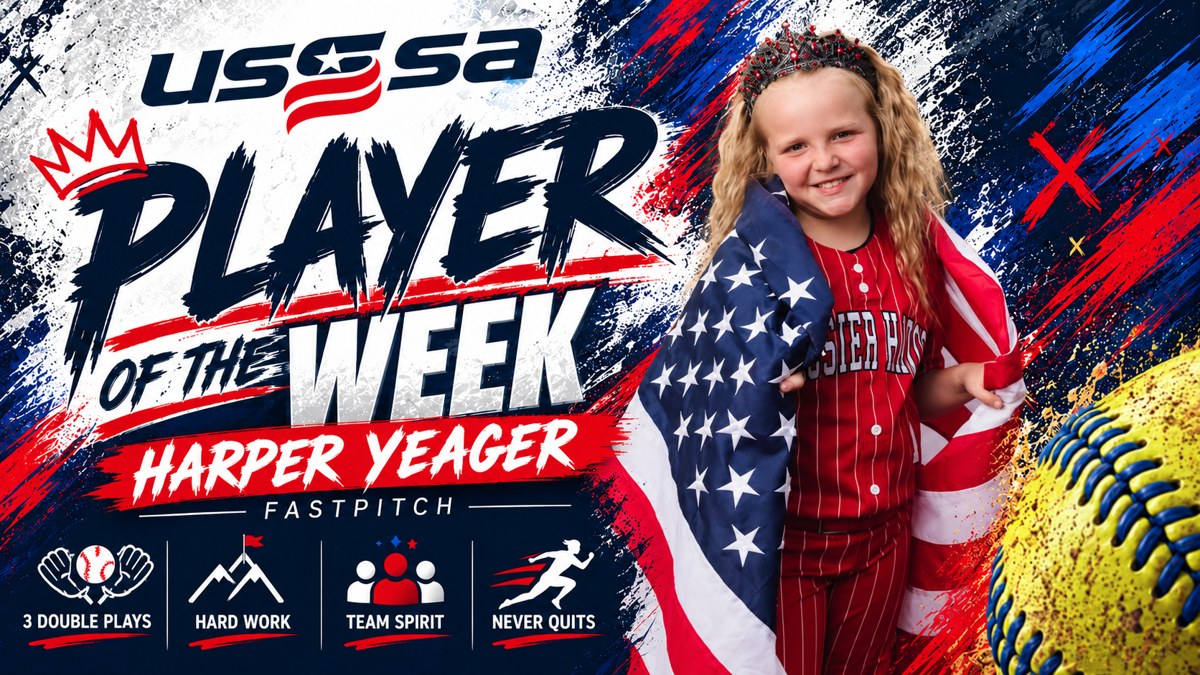
Three double plays in one tournament. Harper Yeager was making things happen at second base, coming through with big defensive plays when her team needed them most. And at the plate, she battled through tough at-bats and kept competing.
Those big moments reflect the effort Harper puts in long before game day.
Harper was born with ACC, a condition that affects the connection between the left and right hemisphere of her brain. Her coach shares that learning skills can take extra practice for Harper, but she keeps putting in the work on and off the field no matter what challenges come her way.
Her determination and positive attitude make her a teammate others can look up to. And she has more ahead: next season, Harper will take on a bigger role as one of Hoosier Havoc’s main pitchers.
For the plays she makes
and the persistence behind them,
we’re proud to celebrate Harper!
Congratulations, Harper!
This week in The Dad Coach, Matheny talks about letting kids try different positions in their sport. When they do, they start to see the game beyond their own spot, understanding where teammates need to be and how one play leads to the next.
Let’s carry that into the conversation on the ride home.
It gets kids looking beyond their own performance and recognizing what others contributed. And you get a peek into what they notice and value in their teammates.
The Car Ride Home is about making room for connection, with no pressure. It could be after practice, after school, or just running errands. It’s a simple question, a chance to listen, and a reminder that you care about their experience, whatever the scoreboard says.
Some days they’ll have a lot to say. Other days, not so much. That’s okay. Ask, listen, and let the conversation go where it goes.
Whether they share a little or a lot, keep asking.
Spooky uniforms? Team costumes? Halloween fun at the ballpark? We want to see it!
Send us your photos for a chance to be featured in our end-of-the-month Halloween newsletter! Include your team’s name, where you’re from, and a little about the photos.