Today is World Kindness Day.
It doesn’t take much to make someone’s day better, and sometimes one small act is all it takes to get the next one started.
This week, we’re talking about paying it forward, showing respect to the other team, and thanking the people who rarely hear it.
Being World Kindness Day, the movie Pay It Forward came to mind.
In the movie, a teacher gives his class an assignment: think of an idea to change our world and put it into action.
One kid’s idea was simple. Help three people. When they ask how they can pay you back, ask each of them to help three others.
If everyone keeps paying it forward, those 3 become 9. 9 becomes 27. Then 81. If everyone keeps it going, the 10th round alone reaches 59,049 people.
Ask every player to do something kind for three people.
If your 12 players each help three people, that’s 36 acts of kindness before your next practice.
Now imagine the million players across USSSA each helping three others. That’s 3 million acts of kindness before a single person passes it on.
One team can make a difference.
All of us together can make a huge one.
Sara Tucholsky had just hit the first home run of her life. A few seconds later, she was on the ground at first base, unable to take another step.
It was 2008, and Western Oregon was playing Central Washington. Sara had missed first base on her way around. When she turned back to touch the bag, she tore her ACL. She made it back to first, but that was as far as she could go.
The umpires said she’d be called out if her own team helped her around the bases.
That’s when Central Washington’s first baseman, Mallory Holtman, asked if her team could help carry Sara instead.
There was nothing in the rules against it, so Mallory and her teammate Liz Wallace picked Sara up and carried her the rest of the way. At second, at third, and at home, they lowered her just enough for her left foot to touch each base.
Mallory was a senior who held her conference’s career home run record, and her team needed that game to make the playoffs. She could have stood at first base and let the rule do its job, and no one would have blamed her. She spoke up anyway, knowing the home run she was helping finish would probably beat her own team.
AND IT DID.
Central Washington lost that day. But ask anyone what they remember about that game 18 years ago, and it’s not the score.
It’s the sight of two players carrying their opponent home.
It only takes a few minutes, and it’s better if you don’t tell them what happens first.
We’d define it as competing fairly and treating everyone involved with respect, whether you win or lose. Mallory and Liz showed exactly that when they helped an opponent finish the home run she’d earned, even though it counted against their own team.
It’s your senior year, your team needs this game to make the playoffs, and the person on the ground plays for the other side. Do you pick them up? Why or why not?
Just listen.
Before your next game, ask your athlete to look for one chance to show good sportsmanship to someone they’re competing against.
Afterward, tell your athlete about a moment of sportsmanship you noticed, too.
We’ve been talking about kindness this week, and one of the easiest ways to show it is to tell someone exactly what you appreciate about them.
Every one of us is surrounded by people who make our days work. And it’s easy to get used to the little things people do for us, especially when they do them all the time.
Then ask, What would you want to say to them?
Help your athlete get that thank-you to them this week. A note, a text, or ten seconds in person is plenty.
And if your athlete is still looking for one of their three people to pay it forward to, they may have just found one.
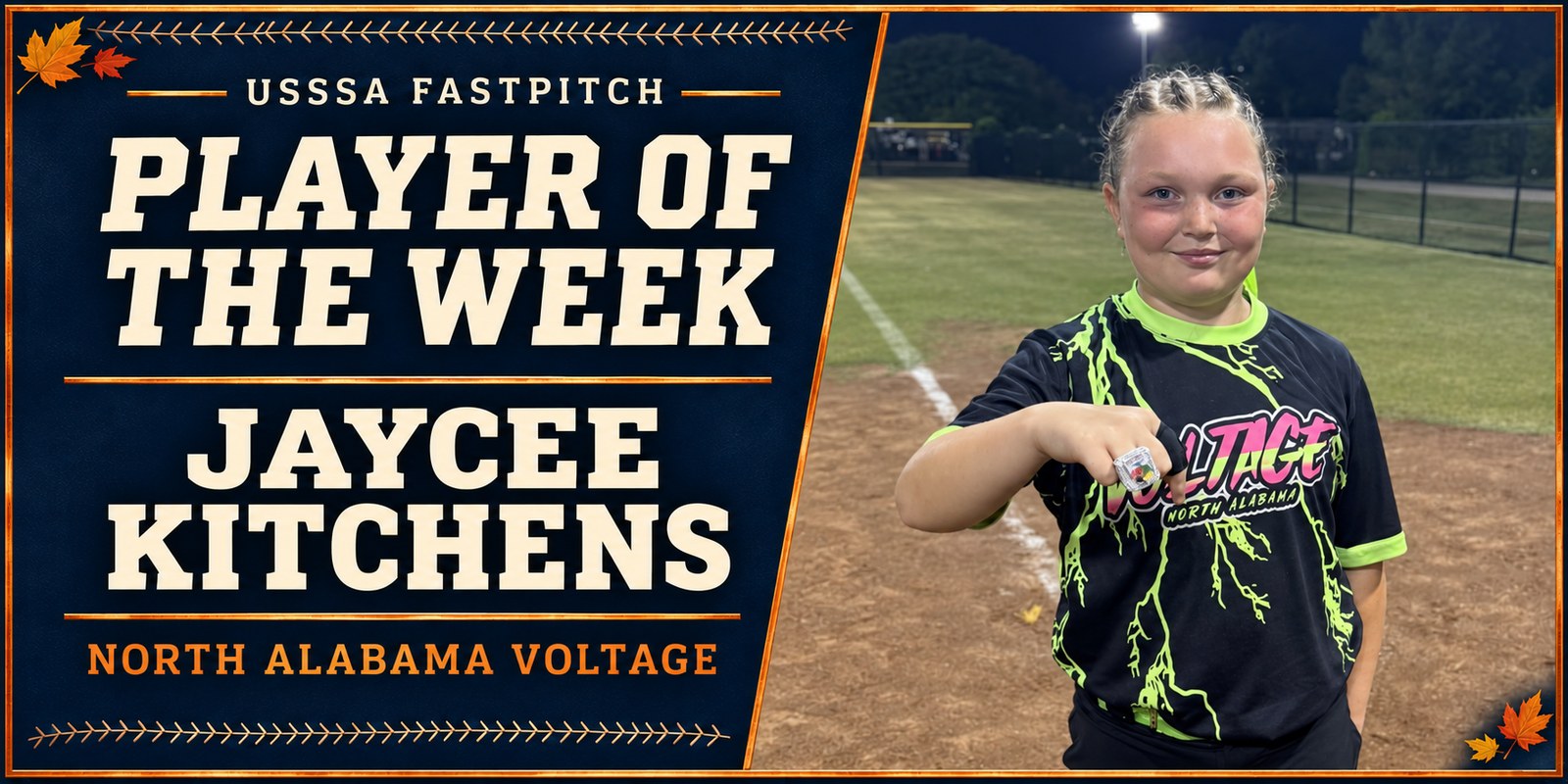
If you’re playing with Jaycee Kitchens, chances are you’ll hear her cheering for you. Her mom, Jessica, says Jaycee is known for being the loudest in the dugout, even when the game gets tough.
Jaycee first picked up softball in February 2025 on her local rec team. She fell in love with the game, moved into travel ball, and put in six days a week learning the sport and sharpening her skills. Now she pitches in both pool and bracket play and also plays third base and left field.
Away from softball, Jaycee made the A honor roll all year, serves on her school’s student council, and started a weekly Bible study with friends during their school break.
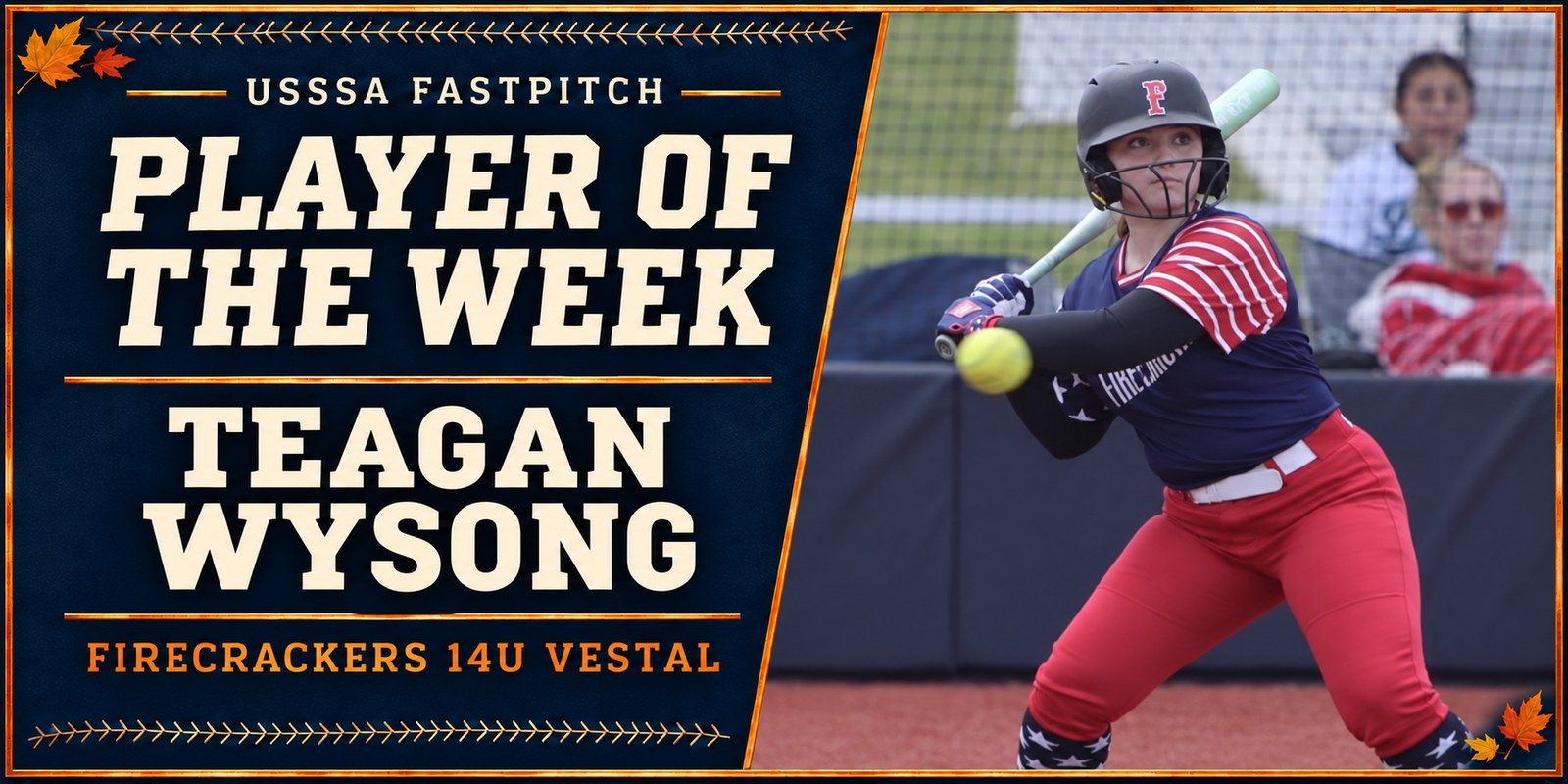
Before Teagan Wysong’s last softball game ahead of open-heart surgery, the opposing team lit up the scoreboard with her jersey number. They made signs to cheer her on and invited her to join them for the pregame coin toss.
Teagan was 12 when she collapsed during her first Brazilian jiu-jitsu tournament. Months of testing led to a diagnosis of a rare heart condition she’d been born with. On her last day at Texas Children’s Hospital after surgery, she visited kids she’d met during her stay and brought them balloons and gifts. The week after she got home to Florida, she was back in the dugout cheering for her teammates.
Once she was cleared to play again, Teagan returned to softball and jiu-jitsu. The following spring, she played up in 18U at just 13 and posted a .904 OPS. She also keeps an A/B honor roll while taking advanced and honors classes.
Thank you for reading, for sharing your stories with us, and for everything you do for the kids in your dugout.
For everyone who makes these weekends happen: to the parents getting everybody out the door for practices and games, the coaches for giving up their evenings, the umpires for calling games all day, and the staff, directors, and volunteers who get there early and stay late.
And to the siblings, grandparents, and friends who show up to cheer, thank you, too.
I’m glad these kids get to play in a community that shows up for them like this.