Some of the best moments in youth sports never show up on the scoreboard.
They happen on a flight to another country, in a sea of pink, or in a quiet car ride home.
Thanks for being part of them.
50 USSSA players packed their gloves and traveled to Aruba recently to represent the USA at the 2026 Aruba International Baseball Tournament, joining youth teams from Aruba, the Netherlands, Curaçao, the Czech Republic, Mexico, and beyond for a week of international competition.
The trip brought some memorable opportunities, including a chance to meet major leaguer Jurickson Profar from the Atlanta Braves. And one of our 13U teams competed against the current Little League World Series champions from Curaçao!
Competing internationally, meeting new opponents, and wearing USA across their chests made this a special experience for our players and families. Take a look at a few highlights from their time on the island.

A game gives kids plenty of chances to learn. Some happen at the plate or in the field. Others happen in the dugout, after a tough inning, or while watching how the adults respond to a call they don’t like.
In this section of The Dad Coach, Matheny shows coaches how to make the most of those moments: from preparing before the first pitch to choosing what deserves attention after the last out.
As a major-league manager, Matheny needed a way to slow the game down in his mind. Organizing key information ahead of time helped him plan, make decisions, and recall what happened later.
He recommends coaches prepare their own pre-game information, including:
You’ve put in the practice time, prepared your lineup, and gotten everyone warmed up. Now it’s time to let the kids use what they’ve learned. Matheny’s advice is simple: just let the kids play ball.
He sees many coaches make the same mistake: trying to squeeze practice into the middle of a game. A game is not the time to coach arm angle or where to stand in the batter’s box. Save the detailed work on hitting and throwing mechanics for practice.
Praise publicly. Correct privately.
Matheny encourages coaches to keep players fully engaged by asking questions about the action in front of them.
Ask where they would throw the ball in the current situation. Have them think through the shortstop’s responsibility when a ground ball goes to second base. Or ask why they think you’re moving the left fielder closer to the line.
Questions like these keep kids watching the outs, the runners, and the decisions unfolding on the field. The goal is to help players start anticipating the play on their own.
A lot happens during a game. Matheny recommends that every coach keep a pen and a game card handy to record important information and observations.
Along with the details you track, note moments worth praising, players who need encouragement, and things to work on at practice.
Check in on yourself, too. How did you handle that bad call? Is there a conversation or apology you need to follow up on?
Matheny recommends a short postgame conversation with just the coaches and players.
What you praise tells players what matters
and encourages them to do it again.
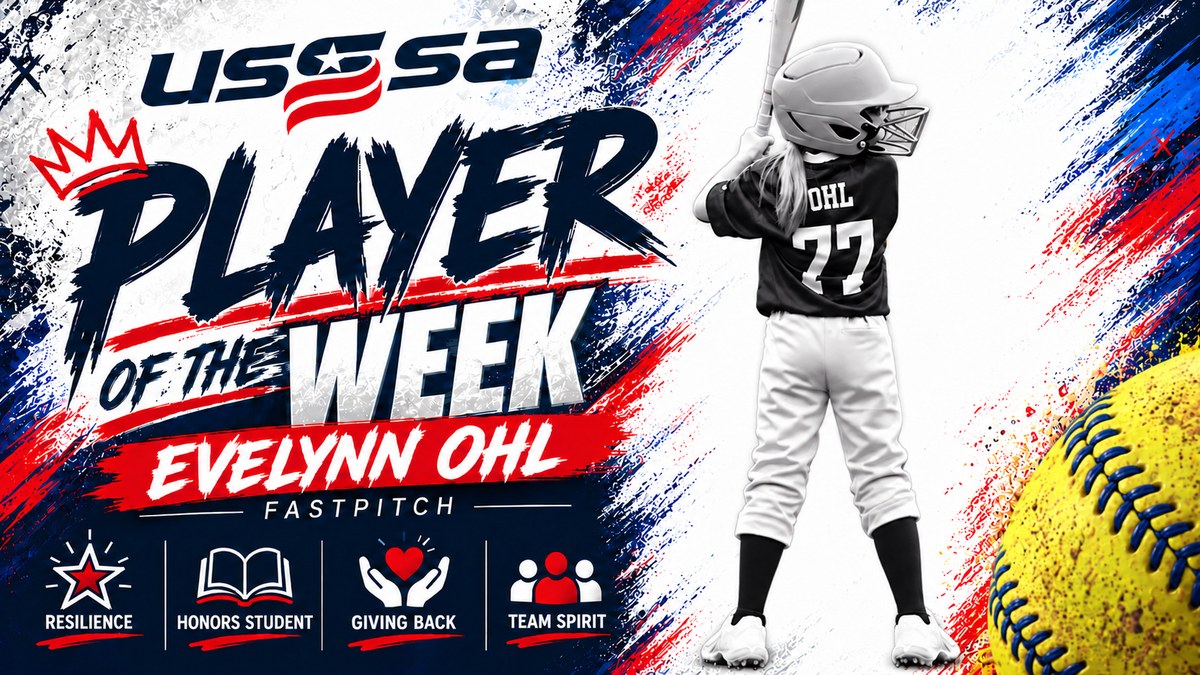
For Evelynn Ohl, No. 77 tells a story.
It represents the 77 days she spent in the NICU after being born three months early, weighing just two pounds.
Today, the 10-year-old from Hermitage, Pennsylvania, pitches and plays second base for Silver Creek Softball.
She’s also an honors student entering seventh grade, who challenges herself in the classroom as hard as she does on the diamond.
From 2 pounds, to 77 days,
to a jersey number worn with pride.
Congratulations, Evelynn!
We know that shouting criticism or instructions from the sidelines can put tons of pressure on our athletes. But what about calling out, “Let’s go! You’ve got this!” right before they take the shot, step up to serve, or dig in at the plate?
Reading The Dad Coach this week, I came across an idea that I hadn’t considered as a parent, even though I knew the feeling as an athlete: even encouragement can be very distracting.
I was one of those athletes. I always hated hearing “You’ve got this, Mary!” right as I was about to serve the volleyball.
Think about what your athlete might be feeling in the big moments: the free throw with the game on the line, the penalty kick, the final point. Many kids just want to concentrate on doing their jobs without having the extra attention from the stands.
And don’t forget to ask about timing. Plenty of kids want quiet while they’re stepping into the box or getting set on the mound, but are happy to hear you roar right after the crack of the bat.
Nobody wants a silent ballpark. Find out what works for your athlete and honor it, even if that means holding your cheer until the ball is in play.
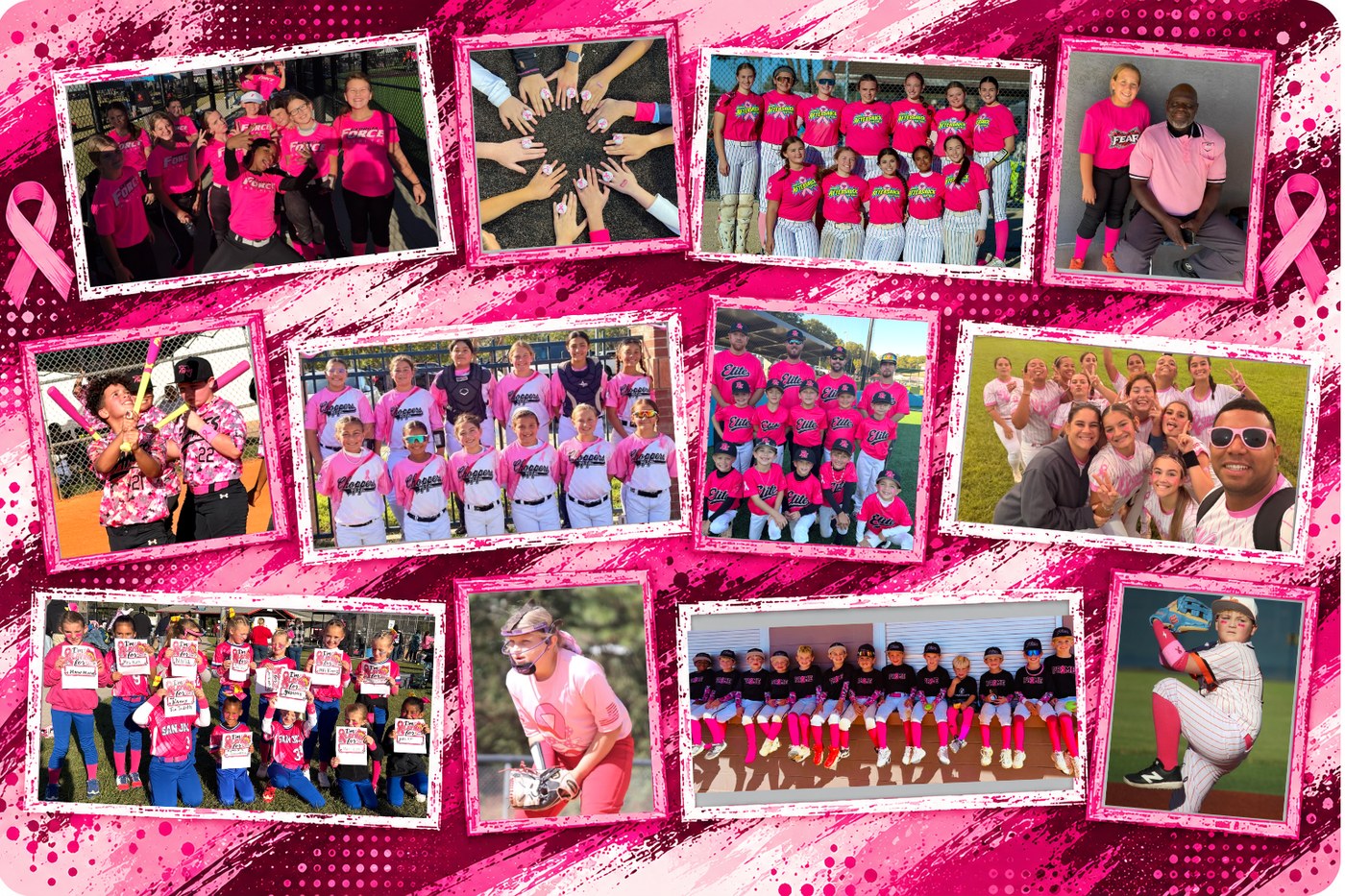
This October, teams and families across the country showed up in pink.
At hundreds of USSSA tournaments, players, coaches, and spectators came together to honor those who are fighting breast cancer, those who have survived it, and those we’ve lost.
Here’s a look around the nation this month.
However you wore pink this month, thank you for playing for something bigger than the scoreboard.
Team costumes? Spooky uniforms? Halloween fun at the field, court, or rink? We want to see it!
And don’t forget the pets of USSSA. Send us your pet’s Halloween costume, too!
This is the last week to submit photos to be featured in our Halloween newsletter! Please send your pictures by 10/29.